

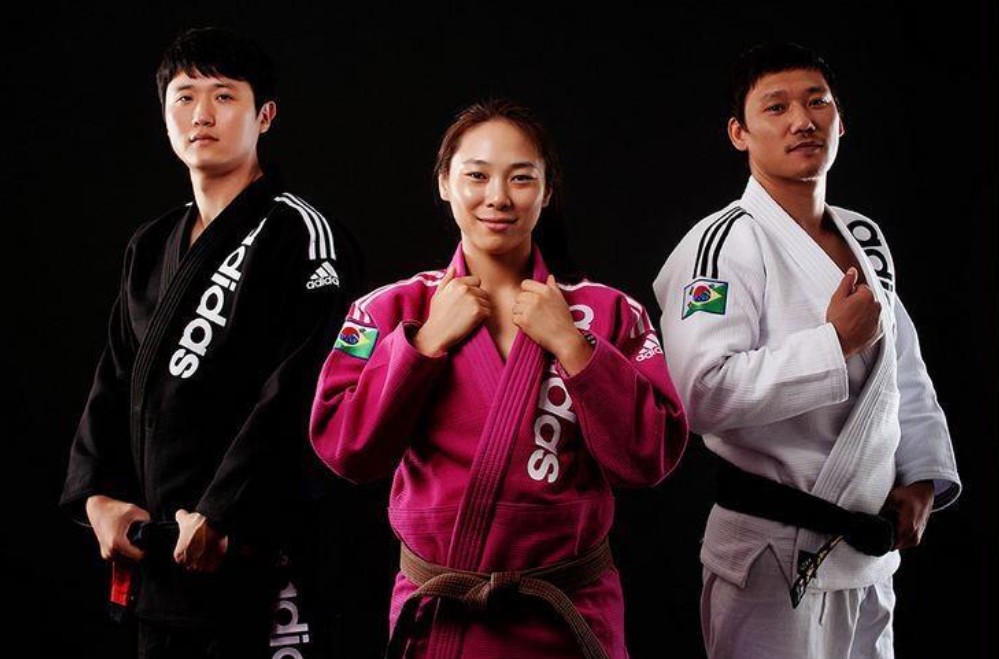
How Brazilian Jiu Jitsu transformed from a little-known martial art into one of South Korea’s fastest-growing combat sports, producing world-class competitors, thriving academies, and a new generation of grappling enthusiasts.
Brazilian Jiu Jitsu (BJJ), once a niche martial art imported from Brazil, has rapidly evolved into one of South Korea’s fastest‑growing combat sports. In a country historically dominated by Taekwondo, BJJ’s rise represents a cultural shift: one that blends discipline, technique, and global connectivity. Over the past two decades, Korea has transformed from a newcomer in the grappling world to a regional hub producing elite competitors and thriving academies
The Origins of Brazilian Jiu‑Jitsu in Korea: From Academia to the Mats
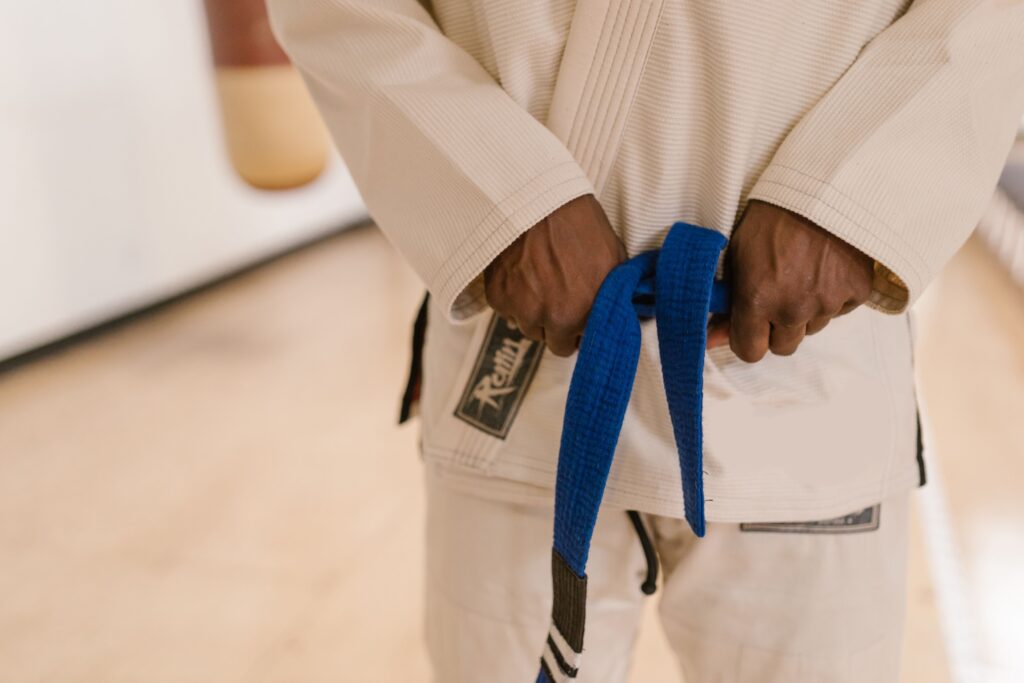
The roots of BJJ in Korea trace back to 1999, when John Frankl, a professor at Yonsei University and a black belt under Roberto Maia, introduced the art while visiting from the United States. Frankl’s early classes were small, held in university gyms and basements, but they planted the seeds for what would become a nationwide movement
At the time, Korea’s martial arts landscape was dominated by striking disciplines: Taekwondo, Hapkido, and boxing. Grappling was viewed as foreign and unconventional. Yet, Frankl’s students began to see the appeal of BJJ’s philosophy: leverage over strength, technique over size, and the ability for smaller practitioners to overcome larger opponents.
Growth Through Media and Pop Culture
By the mid‑2010s, BJJ began appearing in Korean mainstream media. Celebrities such as Park Na‑rae, Heo Kyung‑hwan, and Seungri (Big Bang) showcased BJJ training on television and social media, sparking curiosity among younger audiences . This exposure coincided with the global MMA boom, where Korean fighters like Chan Sung Jung (The Korean Zombie) and Doo Ho Choi demonstrated the effectiveness of grappling in high‑level competition.
The result was a surge in enrollment across Seoul, Busan, and Incheon. BJJ academies began appearing alongside traditional dojangs, often run by Korean black belts who had trained abroad or under visiting Brazilian instructors.
Women Leading the Way for Brazilian Jiu‑Jitsu
One of the most remarkable aspects of Korea’s BJJ growth is the rise of female practitioners. Heejin Lee, Korea’s first female black belt and founder of Queen of Jiu‑Jitsu Academy in Seoul, has become a national figurehead for women’s participation in the sport . Her academy hosts women‑only classes and tournaments, empowering students through self‑defense and competition. This inclusivity has helped BJJ attract a broader demographic, breaking traditional gender barriers in martial arts.
Competitive Development and International Recognition
Korea’s competitive scene has matured rapidly. The Korean Brazilian Jiu Jitsu Federation (KBJJF) now organizes national tournaments, while Korean athletes regularly compete in IBJJF Asian Championships and Worlds. According to the International Brazilian Jiu‑Jitsu Federation (IBJJF), Asia’s jiu‑jitsu infrastructure has expanded dramatically, producing world‑class athletes and fostering cross‑training between Japan, Korea, and Southeast Asia .
Korean competitors are now earning podium finishes internationally, signaling the country’s arrival as a legitimate force in global grappling.
Military and Institutional Adoption
BJJ has also found a home within Korea’s military and police training programs. Recent coverage from AFN Pacific highlighted BJJ hubs in Gyeonggi‑do, where soldiers and law enforcement personnel train for fitness and tactical self‑defense . This institutional support further legitimizes BJJ in Korea as both a sport and a practical discipline.
Cultural Integration: From Taekwondo to Jiu‑Jitsu
The coexistence of Taekwondo and BJJ reflects Korea’s evolving martial identity. While Taekwondo remains a national symbol, BJJ offers a complementary philosophy. One that values adaptability, humility, and problem‑solving under pressure. Many Korean martial artists now cross‑train, blending striking and grappling to prepare for MMA or self‑defense.
Challenges and Future Outlook
Despite its growth, BJJ in Korea faces challenges:
- Limited domestic tournaments compared to Japan or Singapore.
- High costs for international competition travel.
- Need for standardized coaching certification to maintain quality across academies.
However, the trajectory is clear. With increasing youth participation, female leadership, and international collaboration, Korea is poised to become one of Asia’s strongest Brazilian Jiu Jitsu nations.
From a handful of mats in Seoul to packed academies across the peninsula, Brazilian Jiu Jitsu has carved out a permanent place in Korean martial culture. It’s no longer just an imported art, it’s a Korean adaptation of a global discipline, shaped by resilience, respect, and relentless pursuit of mastery.
As Korea continues to produce elite athletes and expand its Brazilian Jiu Jitsu community, the country stands as a testament to how martial arts can transcend borders, proving that the gentle art has found a powerful home in the Peninsula.
Sources:
The Rise of Jiu-Jitsu in Asia | IBJJF | South China Morning Post | Latin American Post
About The Author








6 Comments