

HANPUNCH EXCLUSIVE — EDITOR GUIDE
Set the post title above, use Excerpt for the cover deck/subtitle, and choose a Featured Image for the cover photograph. Replace the generic labels and placeholders below. This guide is hidden automatically on the published article.
SUBJECT
JOSH MOTSINGER
ROLE
MMA FIGHTER
BASED
CHARLOTTE, NC
INTERVIEW
NOVEMBER 2026
Born and raised in Charlotte, North Carolina, Motsinger began his professional career with four consecutive victories, building momentum alongside some of the region’s most recognizable fighters. But in 2025, two consecutive defeats and a series of serious injuries brought that momentum to a halt.
For Joshua Motsinger better known as Josh Motsinger, the path through professional mixed martial arts has been anything but straightforward.
Now facing another shoulder surgery, Motsinger is approaching his career with a different perspective. The fighter who once believed toughness meant pushing through anything has learned the importance of patience, recovery, and knowing when to step away.
In an exclusive interview with HanPunch, Motsinger opens up about his Lao and Thai heritage, the teammates who shaped his career, the lessons behind his losses, and his hopes of returning to competition in summer 2027.
01 / ORIGIN
FROM CHARLOTTE TO THE CAGE
01. For those hearing your name for the first time, can you tell us a little about your background, where you grew up, and how you first got introduced to MMA?
For those hearing about me for the first time, my name is Joshua Motsinger. I was born and raised in Charlotte, North Carolina, but my background is pretty diverse. My mom is Lao and Thai, and she came to the United States as a refugee when she was just 13 years old. My dad is originally from Mountain City, Tennessee.
My journey into MMA started shortly after high school when one of my best friends, Jonathan Martin, who is currently a PFL fighter, introduced me to the sport. What started as something new to try eventually became one of the biggest passions in my life.
02. You started training shortly after high school, but when did you realize MMA was something you wanted to pursue seriously as a professional career?
I’ve loved MMA ever since the first day I stepped into the gym. But the turning point for me came when I was around 26 or 27 years old. That’s when I realized that if I truly wanted to pursue this sport professionally, I had to make some serious changes.
I understood that my window of opportunity wasn’t going to last forever, and if I wanted to see how far I could go, I had to fully commit. That meant making sacrifices with work, my personal life, and how I spent my time. I knew I couldn’t approach MMA as just a hobby anymore. I had to go all in and give myself a real opportunity to succeed.
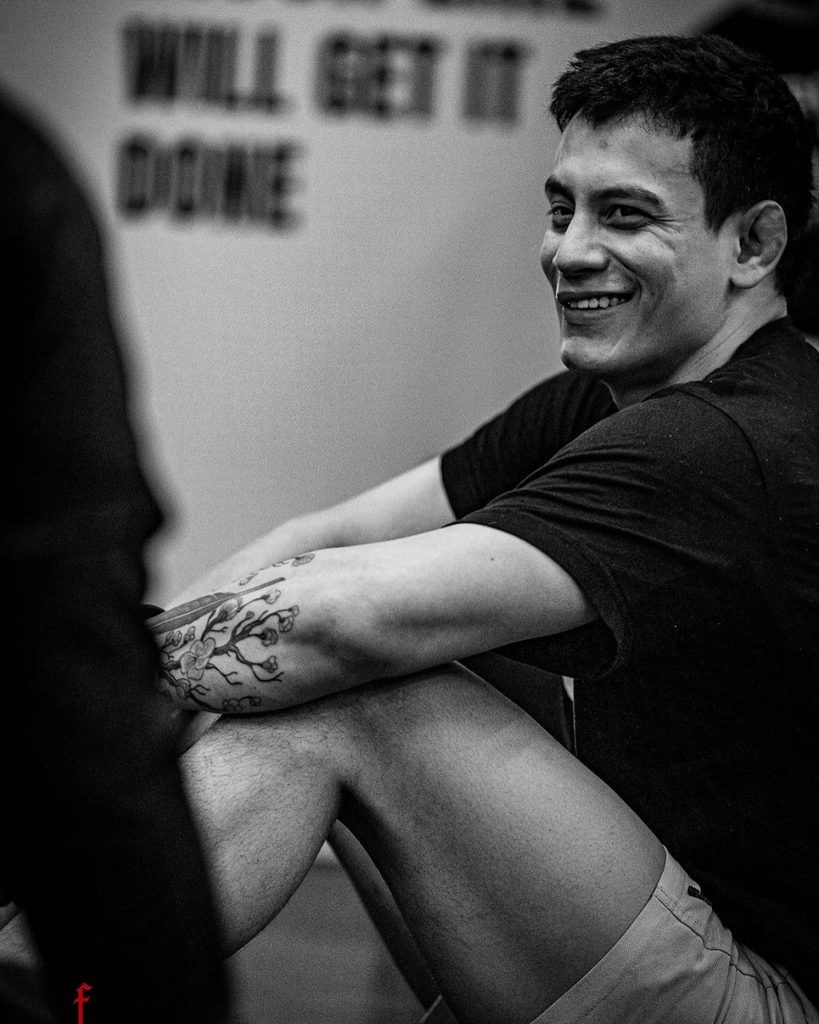
I knew I couldn’t approach MMA as just a hobby anymore. I had to go all in and give myself a real opportunity to succeed.
– Joshua Motsinger
02 / THE RISE
FOUR WINS, ONE DREAM
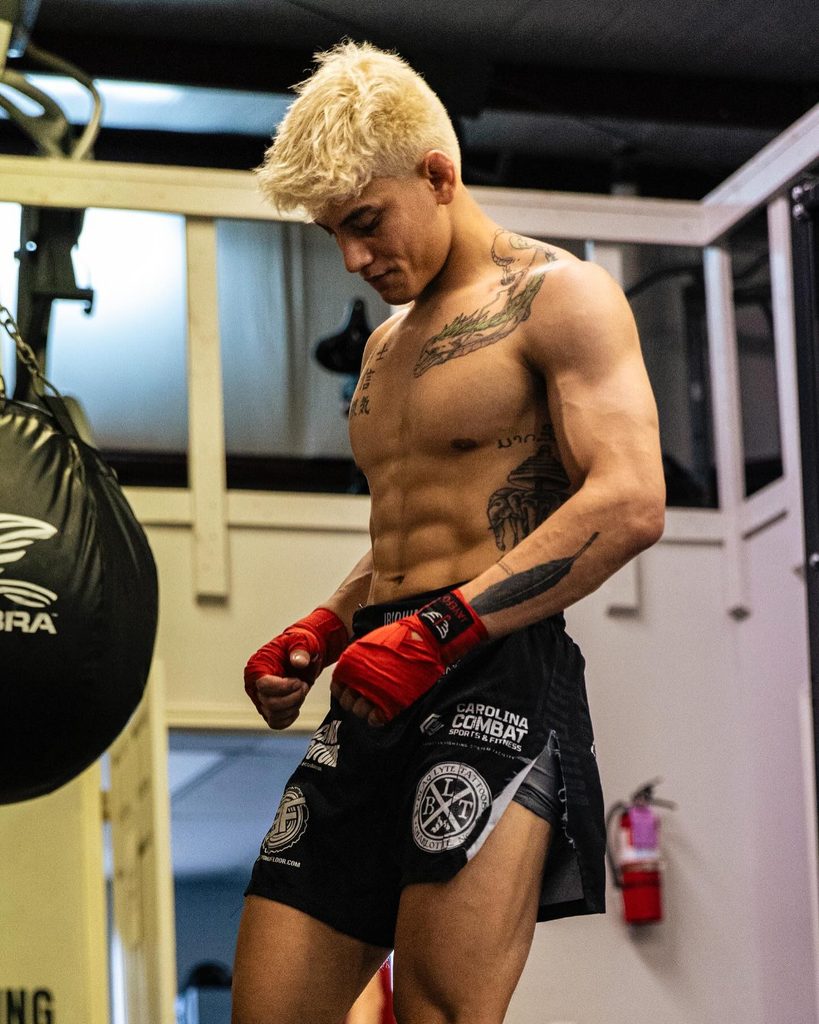
03. MMA demands a tremendous amount of sacrifice, both physically and mentally. What continues to motivate you, and what keeps you passionate about competing?
What keeps me going is my desire to become the best version of myself and make the most of the gifts God has given me. For me, MMA is about much more than winning fights. It’s about discovering how far I can push myself physically, mentally, emotionally, and spiritually.
Fighting also gives me the opportunity to express myself in one of the most authentic ways possible. There’s something special about stepping into a cage and putting your hard work, discipline, and preparation on display.
I’m also extremely fortunate to surround myself with some of the best fighters in the country and what I believe is one of the best teams around. Being in that environment constantly pushes me to grow and reminds me that there’s always another level to reach.
04. You began your professional career with an impressive 4-0 record. What did that early success mean to you, and how did your training environment and teammates contribute to your development as a fighter?
Starting my professional career 4-0 was a huge accomplishment for me. It was a reflection of the sacrifices, dedication, and hard work I had put into the sport.
One of the biggest reasons for that success was the people I surrounded myself with. Training alongside high-level fighters like Shameek Harvey, Jonathan Martin, Bryan Battle, and several others forced me to elevate my game every single day. When you’re constantly surrounded by that level of talent, you either rise to the occasion or get left behind.
That experience shaped me in ways I couldn’t have imagined. It built my confidence, strengthened my mentality, and showed me that I was capable of competing with some of the best fighters in the world.
03 / THE SETBACK
THE HARDEST LESSONS
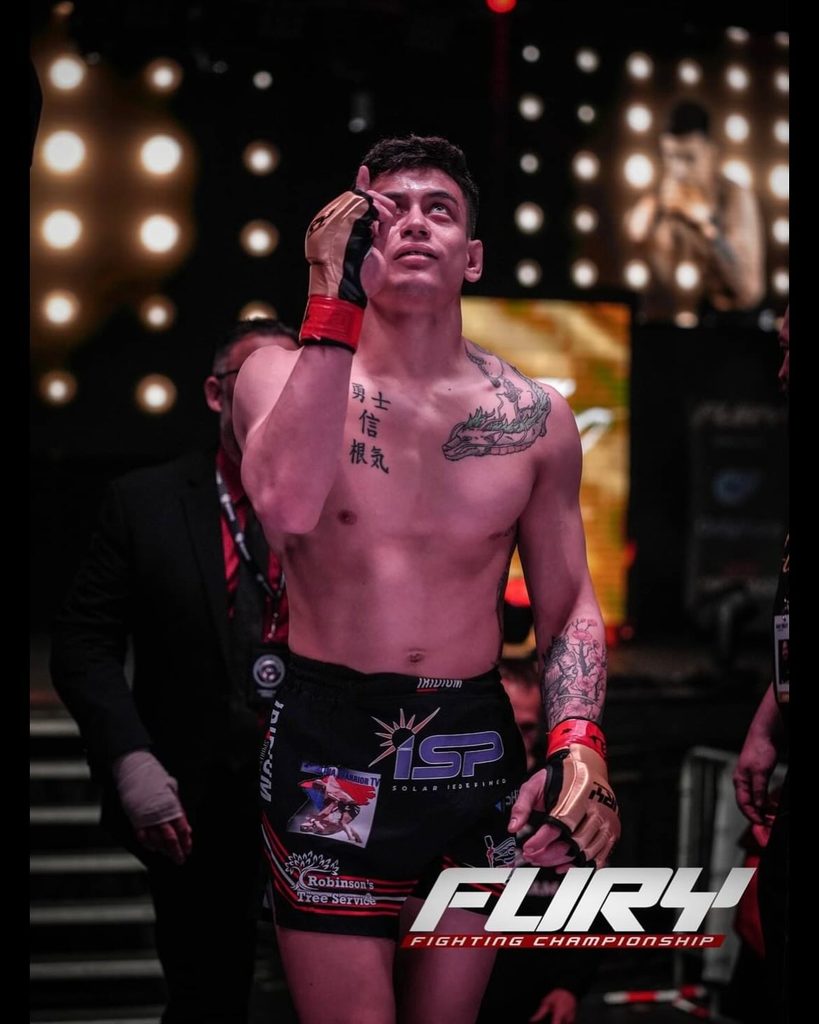
05. After starting your professional career undefeated, you experienced your first loss in 2025 by kneebar submission. What did that experience teach you about yourself and the realities of competing at the professional level?
2025 was definitely one of the toughest years of my MMA career, but looking back, it was also one of the most important years for my personal growth. Taking two consecutive losses after starting 4-0 was difficult, but both experiences taught me lessons that I don’t think I could have learned any other way.
My first loss came by a quick kneebar submission. That fight taught me how unforgiving this sport can be at the highest level. One small mistake or moment of hesitation can completely change the outcome of a fight. It reminded me that I have to be prepared for absolutely anything.
06. For your second fight of 2025, you moved up a weight class to face Quinton Culpepper. How did competing closer to your natural weight affect your preparation, and how were you feeling heading into that fight?
My second loss was an even tougher pill to swallow. I moved up a weight class to compete closer to my natural weight against an experienced opponent, Quinton Culpepper.
Throughout that training camp, I felt more locked in than ever. I could see tremendous growth in myself, not just physically, but mentally, emotionally, and spiritually. I truly fell in love with the process. Without having to focus so heavily on cutting weight, I was able to put more energy into improving my skills, conditioning, and overall preparation.
Going into that fight, I genuinely felt like I was in the best shape of my life.
07. You were dealing with significant injuries heading into the Culpepper fight, and your shoulder eventually dislocated during a grappling exchange. Looking back at that experience, what did it teach you about the balance between mental toughness, pride, and making the right decisions for your career?
However, behind the scenes, I was dealing with some significant injuries, including tears in both the front and back of my shoulder labrum and a slipped disc just a week before the fight.
Despite those setbacks, I was confident in my ability to win. During the fight, I felt like I was performing well on the feet. Unfortunately, during a grappling exchange, I attempted a throw and my shoulder dislocated. That moment changed everything. My opponent was able to capitalize, eventually taking mount, forcing me to give up my back, and securing the submission.
That loss taught me one of the most valuable lessons of my career: there’s a difference between being mentally tough and being smart. Sometimes the hardest decision isn’t stepping into the cage. It’s knowing when you shouldn’t.
Looking back, I understand that there’s nothing wrong with pulling out of a fight when you’re dealing with serious injuries. I had to learn not to let my pride or ego override what’s best for my health and long-term career.
At the end of the day, I’m still human. I can prepare as hard as possible, believe in myself completely, and still have things not go according to plan. What matters most is how I respond, what I learn, and who I become through those experiences.
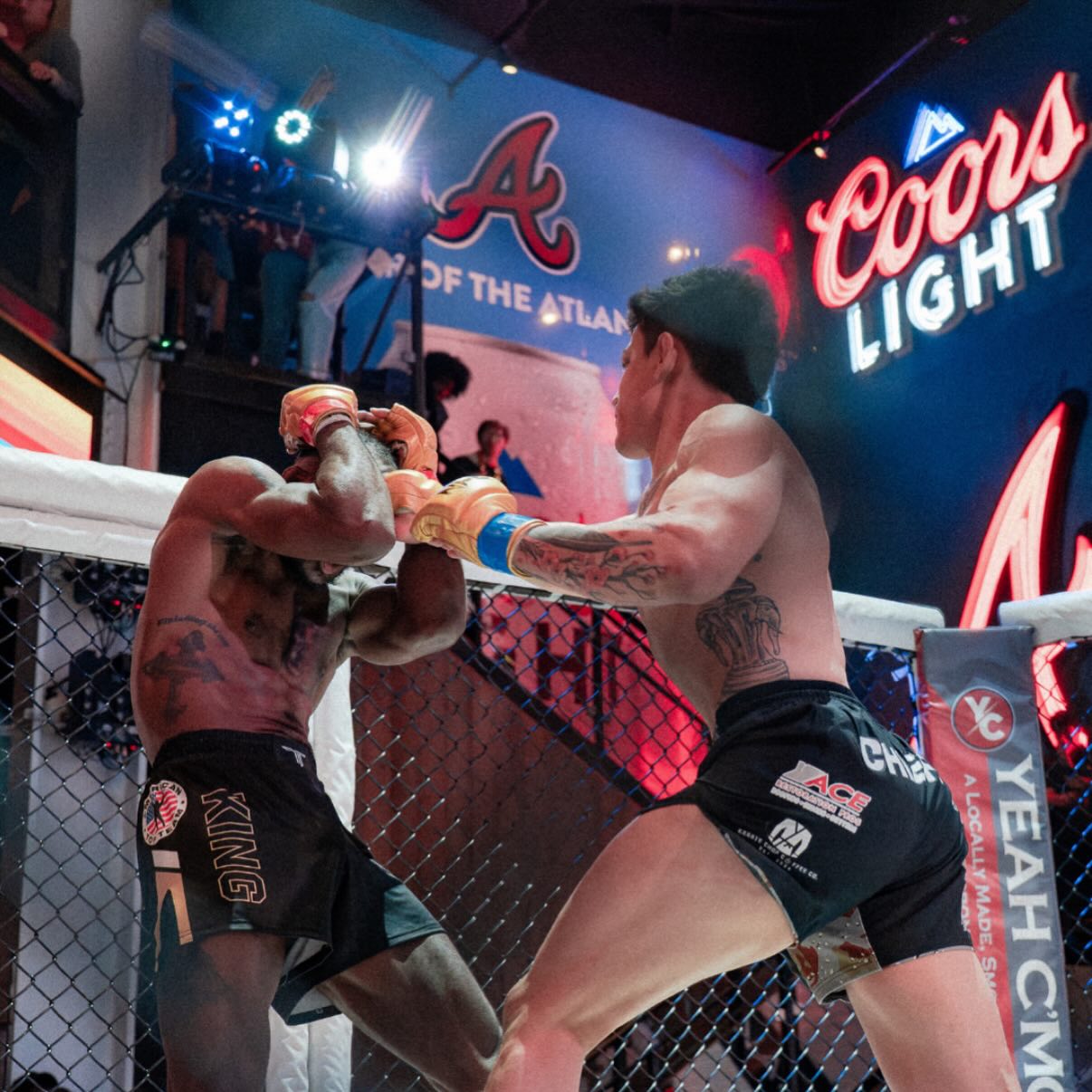
That loss taught me one of the most valuable lessons of my career: there’s a difference between being mentally tough and being smart.
– Joshua Motsinger
04 / THE REBUILD
GROWTH BEYOND THE CAGE
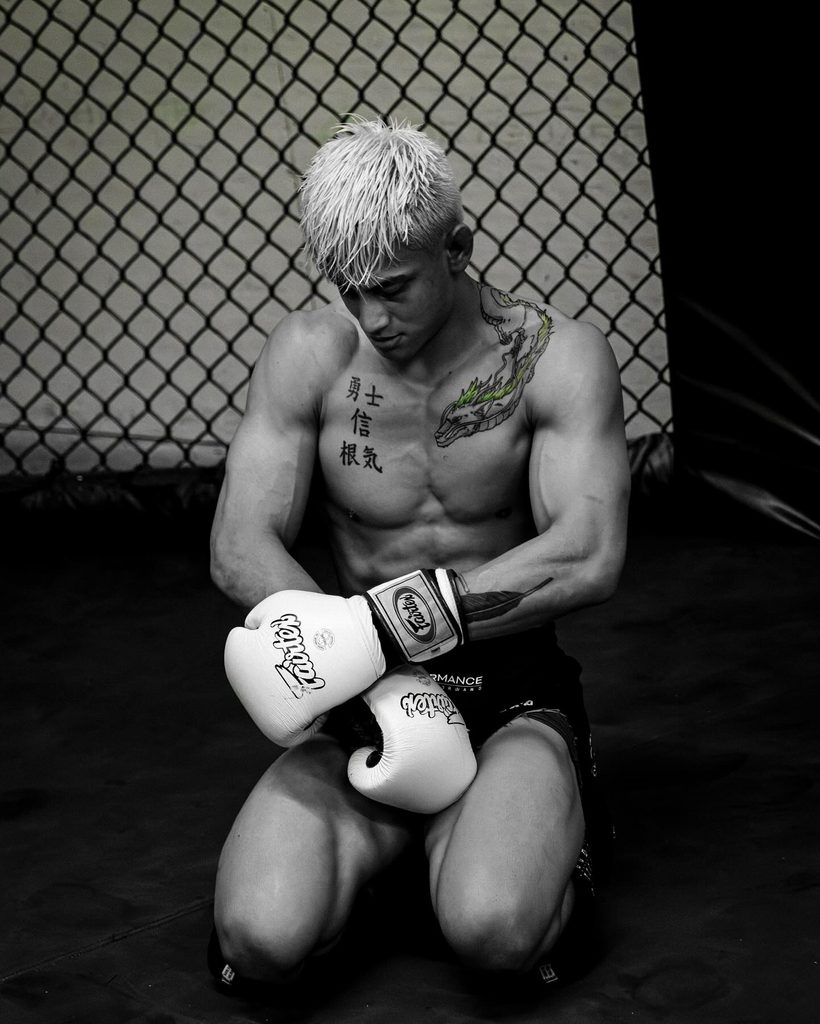
08. After everything you experienced in 2025, how have those injuries and setbacks changed your approach to training, recovery, and maintaining longevity in MMA?
My injuries have completely changed the way I approach training and fighting. Earlier in my career, I had the mentality that I could just push through anything. I thought being tough meant ignoring pain and continuing to work no matter what.
I’ve learned that being a successful fighter isn’t just about how hard you can push yourself. It’s also about understanding your body, knowing when to go hard, and recognizing when it’s time to recover.
I’m much more focused on training intelligently, taking the right fights, and making decisions that will benefit my career in the long run. Longevity is extremely important in this sport, and I’ve realized that sometimes taking a step back is exactly what you need to move forward.
09. You’ve spent much of your time away from competition recovering from shoulder injuries and preparing for another surgery. How have you been using this time to continue growing as a fighter, teammate, and coach?
Since my last two fights, I’ve continued training and making small adjustments to my overall game, but a major focus has been recovering from my shoulder injury.
I underwent surgery last December, and I’m scheduled for another shoulder surgery this November. While it’s definitely frustrating being sidelined, I’ve been trying to make the most of this chapter of my life.
It’s given me an opportunity to invest more time into my teammates, help them prepare for their fights, and become a better coach and training partner. Even though I’m not able to compete right now, I can still grow, learn, and contribute to the success of the people around me.
More importantly, this experience has taught me patience and the importance of trusting God’s timing. As fighters, we’re so used to controlling everything through hard work and discipline, but sometimes life forces you to slow down.
I’m learning that growth doesn’t always happen inside the cage. Sometimes the biggest changes happen during the seasons when you’re forced to sit on the sidelines.
05 / THE COMEBACK
THE ROAD TO 2027
10. When you eventually return to competition, what kind of fighter do you want fans to see, and what improvements are you most excited to showcase inside the cage?
When I make my return, I want people to see a more complete, dangerous, and well-rounded version of myself.
I’ve always taken pride in my wrestling, but I want to showcase my entire skill set, especially the improvements I’ve made in my striking. I want to bring a different level of intensity, aggression, and confidence into the cage.
More than anything, I want my comeback to make a statement. After everything I’ve been through, I want to return, put on a dominant performance, and show people what perseverance and dedication can accomplish.
If my journey can motivate even one person to keep pushing through adversity and become the best version of themselves, that means something to me beyond just winning a fight.
11. With another shoulder surgery scheduled for November, what does your recovery timeline look like, and when are you hoping to make your return to professional competition?
Right now, I’m targeting a return sometime in the summer of 2027. I have another shoulder surgery scheduled for November, so my biggest priority is making sure I recover properly and come back at 100%.
As much as I want to get back into the cage, I’m not going to rush the process. I’ve learned from my previous experiences, and I want to make sure that when I return, I’m physically and mentally prepared to perform at my highest level.
I’m excited for that next chapter, and I truly believe people are going to see the best version of me when I step back into the cage.
HANPUNCH / FILM
IN FOCUS: JOSHUA MOTSINGER
From four consecutive professional victories to the injuries and setbacks that changed his perspective, Joshua Motsinger reflects on his career, the lessons he’s learned, and his pursuit of a return to the cage.
06 / THE LEGACY
MORE THAN A FIGHTER
12. Looking at the bigger picture, what is your ultimate goal in MMA, and what kind of legacy do you hope to leave behind when your fighting career eventually comes to an end?
My ultimate goal in MMA is to see just how far I can take the gifts and abilities God has blessed me with. Of course, competing at the highest level in organizations like the UFC, PFL, or another major promotion is something I strive for.
But beyond the accomplishments and recognition, I want to be able to look back on my career knowing that I gave everything I had and never allowed fear, adversity, or setbacks to keep me from pursuing my potential.
As long as God continues to give me the desire, passion, and opportunity to fight, I’m going to keep pursuing this dream.
At the end of the day, I want my legacy to be about more than just my record. I want people to remember my resilience, my faith, my work ethic, and the way I carried myself through both victories and defeats.
Sometimes the biggest changes happen during the seasons when you’re forced to sit on the sidelines
– Joshua Motsinger




🔥💯