

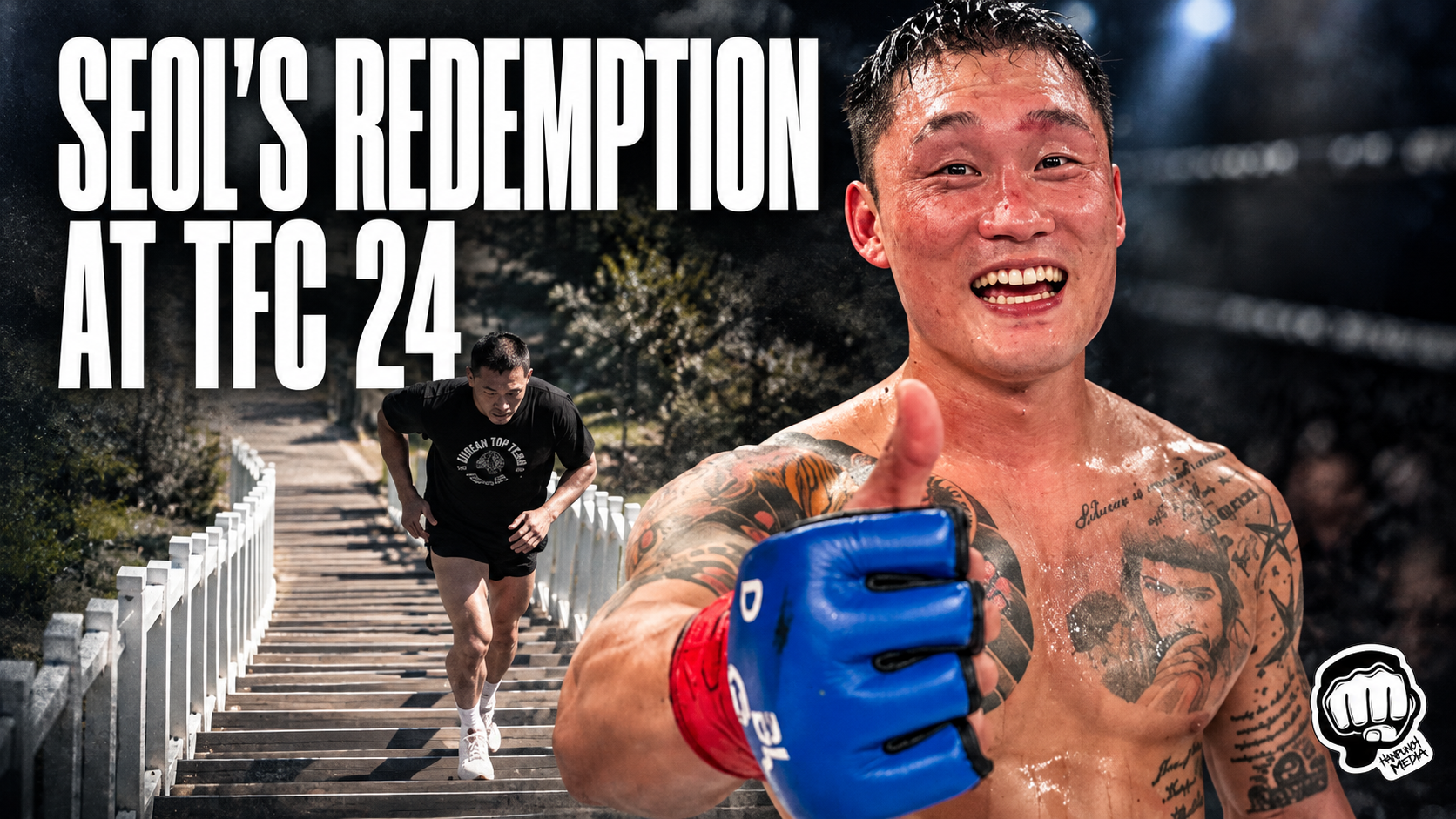
Once known for his controversial personality, Young Ho Seol is determined to prove he has changed. Ahead of TFC 24, the South Korean fighter opens up about his difficult childhood, relentless training regimen, and pursuit of respect inside the cage.
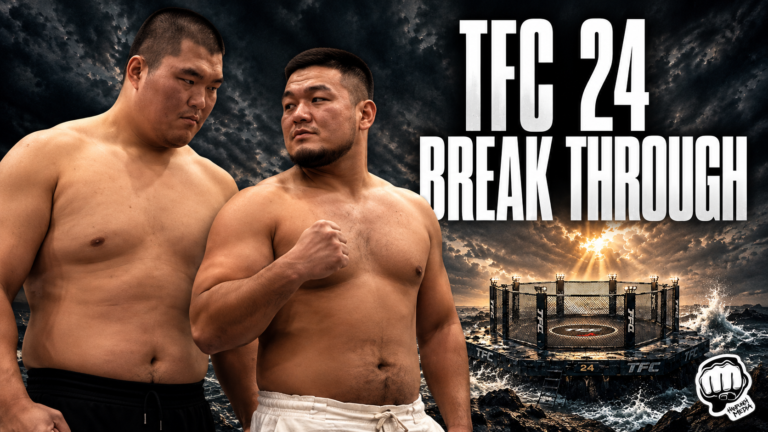
South Korean MMA fighter Young Ho Seol is preparing for one of the most meaningful challenges of his career as he faces Japanese veteran Yuta Watanabe at TFC 24. But for Seol, the upcoming international matchup represents more than another fight. It is an opportunity to demonstrate how far he has come, both as an athlete and as a person.
In a behind-the-scenes training feature released ahead of the event, Seol offered an unusually personal look at his daily life, revealing the discipline behind his preparation while reflecting on a troubled past that once defined his public image.
With Watanabe bringing more than 40 professional fights and experience as a Japanese champion, Seol understands the challenge ahead. However, the Korean fighter believes his relentless preparation and newfound understanding of his strengths will make the difference.
From a Bullied Child to a Professional Fighter
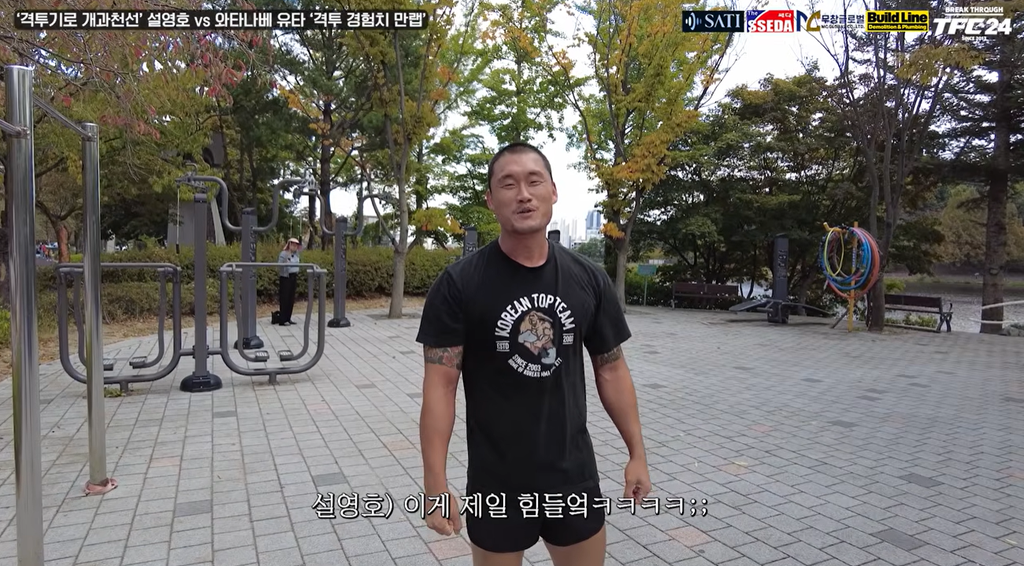
Seol’s journey into martial arts began under difficult circumstances.
Growing up in Icheon, South Korea, he endured bullying during middle school while his family struggled financially. Desperate to learn how to defend himself, Seol recalled repeatedly asking his mother for 80,000 won to enroll in a local Muay Thai gym.
He eventually began training under Sun Ki Kim, a respected instructor who had lost an arm. The gym was filled with experienced fighters, and Seol quickly discovered that learning martial arts would be far more demanding than he had imagined.
Rather than receiving a gradual introduction, he found himself constantly sparring against tougher and more experienced training partners.
Those early experiences helped shape his resilience and introduced him to the demanding lifestyle he continues to embrace today.
During the documentary, Seol returned to a mountain route he frequently ran during his younger years. The location remains personally significant, serving as both a conditioning ground and a place where he can reflect on his life.
A Fighter Who Trains Like Every Day Is Fight Camp
Seol’s current schedule leaves little room for distractions.
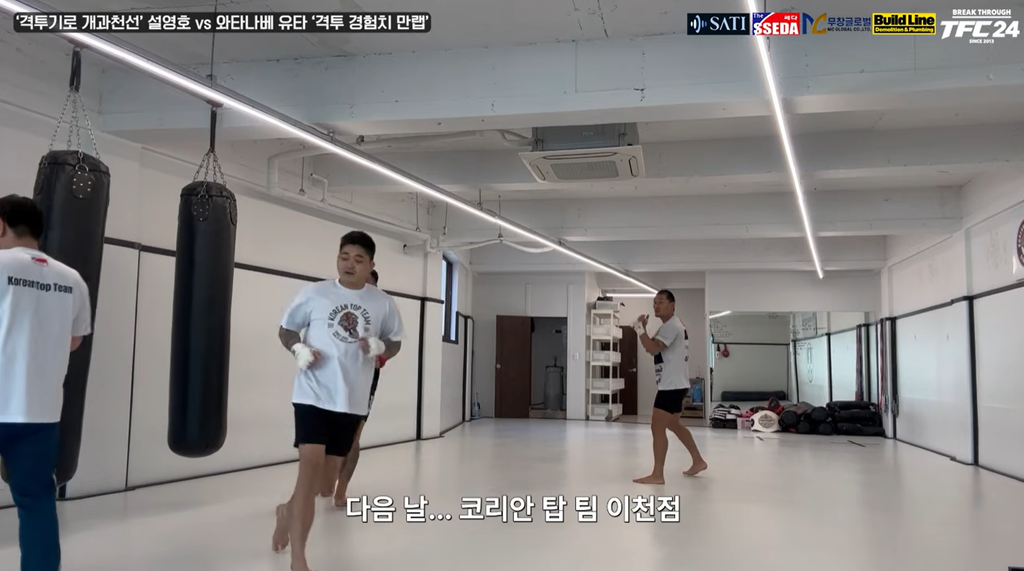
His day begins around 6 a.m., followed by early morning personal training sessions at Korean Top Team in Icheon. From there, he moves through a demanding combination of roadwork, heavy bag sessions, weight training, Brazilian jiu-jitsu, grappling, and striking practice.
Even on Saturdays, which he considers relatively light training days, Seol runs approximately five to six kilometers and completes up to 15 rounds of heavy bag work.
His training also includes mountain running and stair sprints, often extending his physical preparation late into the evening.
For Seol, the intensity is not unusual.
He explained that his coaches have consistently emphasized that professional fighters should live as though they are always in competition season.
Rather than dramatically increasing his workload when a fight approaches, Seol attempts to maintain the same disciplined lifestyle throughout the year.
That commitment has become central to his transformation.
Breaking Down Yuta Watanabe
Standing across from Seol at TFC 24 will be Yuta Watanabe, an experienced Japanese competitor who has accumulated more than 40 professional appearances.
Seol acknowledges that Watanabe is a particularly intelligent and tactical fighter.
He describes the Japanese veteran as someone who carefully manages distance, avoids unnecessary exchanges, and prefers to operate within a range that allows him to dictate the pace.
Watanabe’s experience in fights that reach the judges’ scorecards is something Seol has studied closely.
However, Seol believes he has identified a way to disrupt that approach.
Rather than allowing Watanabe to establish his preferred distance, Seol intends to apply continuous forward pressure from the opening bell until the final round.
His objective is to prevent the Japanese fighter from settling into a comfortable rhythm.
Perhaps more importantly, Seol believes he now understands his own abilities better than at any previous point in his career.
Earlier in his fighting journey, he admits that he often entered bouts without a clear understanding of his strengths or how he should approach an opponent.
That uncertainty has been replaced by confidence developed through consistent training and experience.
Discipline Beyond the Gym
The documentary also reveals the nutritional discipline behind Seol’s preparation.
With approximately two weeks remaining before TFC 24, Seol reported weighing around 85 kilograms.
Rather than relying on elaborate meals, he prepares simple food that provides enough energy to support his extensive training schedule.
During the feature, Seol shared a meal consisting of three boiled eggs, approximately 200 grams of pasta with olive oil, salt, and pepper, and decaffeinated coffee.
He also revealed that he has significantly reduced his caffeine intake because of its effects on his anxiety.
For Seol, controlling his diet is another extension of the consistency he now demands from himself.
His approach reflects a fighter increasingly focused on preparation rather than appearances.
Leaving His Controversial Past Behind
While the upcoming fight is the central focus of the documentary, its most revealing moments come when Seol discusses his reputation.
Earlier in his public career, Seol became known for controversial behavior and confrontational appearances that often overshadowed his abilities as a fighter.
He openly acknowledges that his past actions contributed to negative perceptions of him and expresses regret about the example he set.
Now, he wants to be recognized for something entirely different.
Seol’s ambition is to earn respect as a genuine mixed martial artist rather than simply remain a recognizable personality within the Korean combat sports scene.
He also expressed frustration with the current atmosphere surrounding Korean MMA, where fighters frequently face criticism regardless of whether they compete, win, or lose.
Seol believes that this environment risks damaging the sport’s credibility and discouraging younger athletes from pursuing professional fighting.
Reflecting on the days of PRIDE and K-1, he hopes to see a future in which martial artists once again receive widespread recognition and respect for their dedication.
He also acknowledged his own responsibility for contributing to the negative atmosphere in the past, offering an apology for his previous behavior.
More Than Just a Fight
For Young Ho Seol, defeating Yuta Watanabe would represent a significant achievement against an experienced international opponent.
But the importance of the matchup extends beyond the result.
A victory over a former Japanese champion with more than 40 fights could provide the validation Seol has been seeking as he attempts to establish himself as a legitimate professional fighter.
His confidence is rooted not in dismissing Watanabe’s accomplishments, but in believing that his own preparation has been equally demanding.
The fighter who once drew attention for his controversial personality now wants his performances inside the cage to speak for themselves.
At TFC 24, Seol will have the opportunity to demonstrate whether his personal transformation can translate into the biggest statement of his fighting career.
For Young Ho Seol, the goal is no longer simply to be noticed. It is to be respected.
Follow HanPunch for the latest Korean MMA news, exclusive fighter interviews, event coverage, and the stories shaping combat sports across Asia.
About The Author







Join the Conversation