

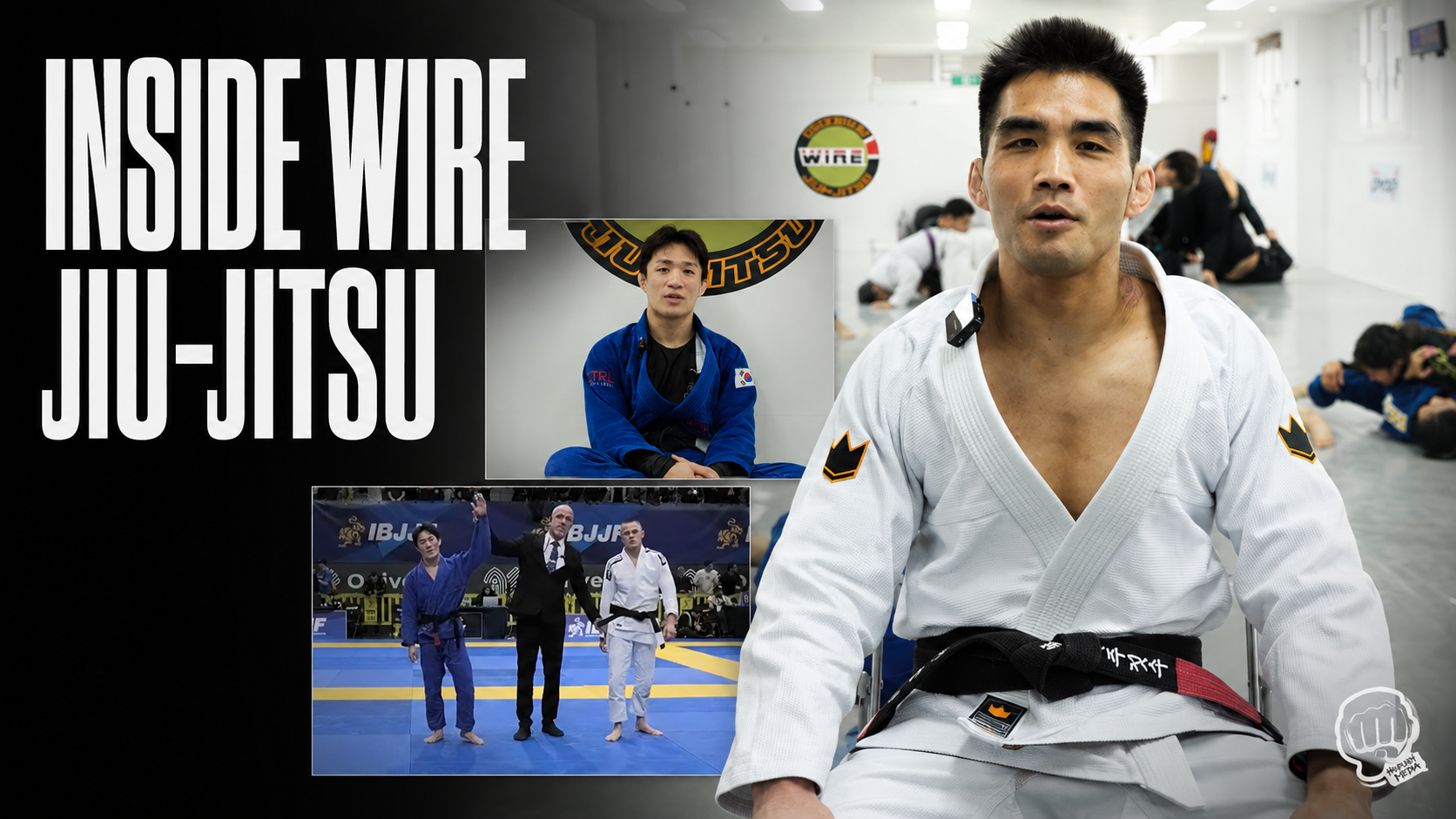
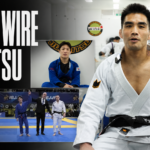
Wire Jiu-Jitsu leaders Yong Won Choi, Min Ho Yoon and Jun Yong Cho discuss the team’s growth and the rise of Brazilian jiu-jitsu in South Korea.
South Korean jiu-jitsu is no longer simply trying to catch up.
The country’s competition scene has grown rapidly over the past decade, producing deeper talent, stronger academies and athletes increasingly capable of challenging established names overseas. Few teams represent that development more clearly than Wire Jiu-Jitsu.
Founded by Yong Won Choi in 2013, Wire has expanded from a single academy into a network of 46 locations, including one in China. The team recently captured the team title at the Asian Championship, strengthening its reputation as one of the leading competition programs in Asia.
For Choi, however, the objective extends well beyond regional success.
He believes Wire can eventually stand alongside international teams such as Checkmat and Alliance. It is an ambitious target, but Wire’s growth suggests that it is more than an empty declaration.
From One Academy to an Asian Powerhouse
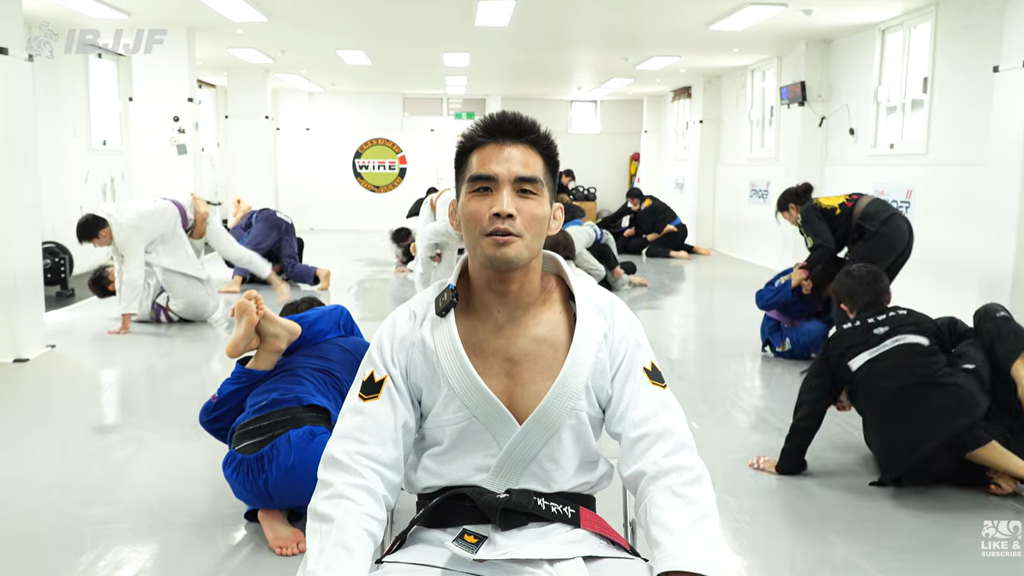
Choi established Wire after returning to South Korea from training in the United States. What began as one academy gradually developed into a nationwide organization capable of attracting and producing serious competitors.
“We’re recognized in Korea, but we’re also recognized as a strong team throughout Asia,” Choi said.
The organization’s expansion has given Wire a broad base from which to discover and develop talent. More importantly, its different academies have maintained a shared training culture instead of operating as completely separate branches.
Min Ho Yoon, who spent 10 years teaching at Wire headquarters before opening Wire’s Nowon academy, believes that connection is central to the team’s success.
Wire athletes regularly come together to train, challenge one another and prepare for competition. The rounds may be difficult, but that pressure has also created a closer team.
“We clash, we tap each other, we sweep each other, and we get closer,” Yoon explained.
Winning the Asian Championship team title provided a major validation of that system. For Yoon, the result was meaningful not only as a personal accomplishment but also as evidence of what Wire’s younger athletes could achieve together.
Now leading his own academy, he has moved into the next stage of that process: developing students who can contribute to Wire’s future.
Korean Jiu-Jitsu Is Growing Up
The rise of Wire is part of a much larger transformation taking place across South Korea.
When Jun Yong Cho began training in 2011, he recalls there being only around 10 or 11 black belts in the entire country. At the time, many academy owners were still blue or purple belts, and seeing someone with an advanced rank at a tournament was unusual.
Today, Cho estimates that South Korea has approximately 700 black belts.
That increase represents more than the spread of belt promotions. It has created a stronger coaching structure, more experienced training rooms and a new generation of competitors who can begin jiu-jitsu at a much younger age.
According to Cho, Wire did not initially become strong through a formal competition-team system. Its reputation developed naturally through hard training and frequent outside sparring. Athletes looking for serious rounds began traveling from Seoul and other parts of the country to train with the group.
The more high-level competitors gathered in one room, the stronger the room became.
That culture eventually helped Wire grow into an Asian championship team.
Technique Is Not the Problem
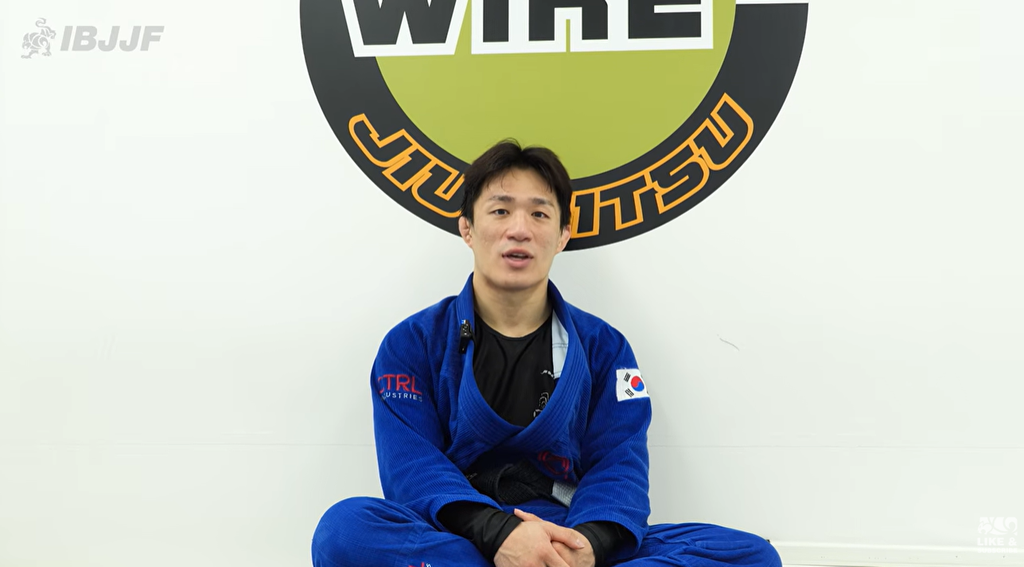
Cho’s international performances offer a glimpse of how far Korean grappling has progressed.
He earned bronze at the 2026 European Championship and pushed world-class competitor Kennedy Maciel deep into their match. Although Cho did not get the final result he wanted, successfully applying his techniques against that level of opponent provided something equally valuable: confirmation.
When the movements developed in the academy work against one of the sport’s elite competitors, the training no longer feels theoretical.
“It works,” Cho recalled thinking. “The training wasn’t wasted.”
Cho does not believe Korean competitors are falling behind internationally because of a technical deficiency. In his experience, Korean training rooms often emphasize control and clean technique. Athletes tend to be respectful and may be less inclined to use the heavy pressure, facial crossfaces and sudden physical aggression common in some overseas competitions.
That difference can create an initial shock when Korean athletes compete abroad.
“When we go overseas, we don’t lose because of technique,” Cho said. “We get surprised by how suddenly and how hard they come.”
If a contest becomes purely technical, Cho believes Korean grapplers can compete with anyone. The next stage of their development is learning to impose that technique while matching the pace, pressure and physicality of the international game.
Searching for Korea’s First World Champion
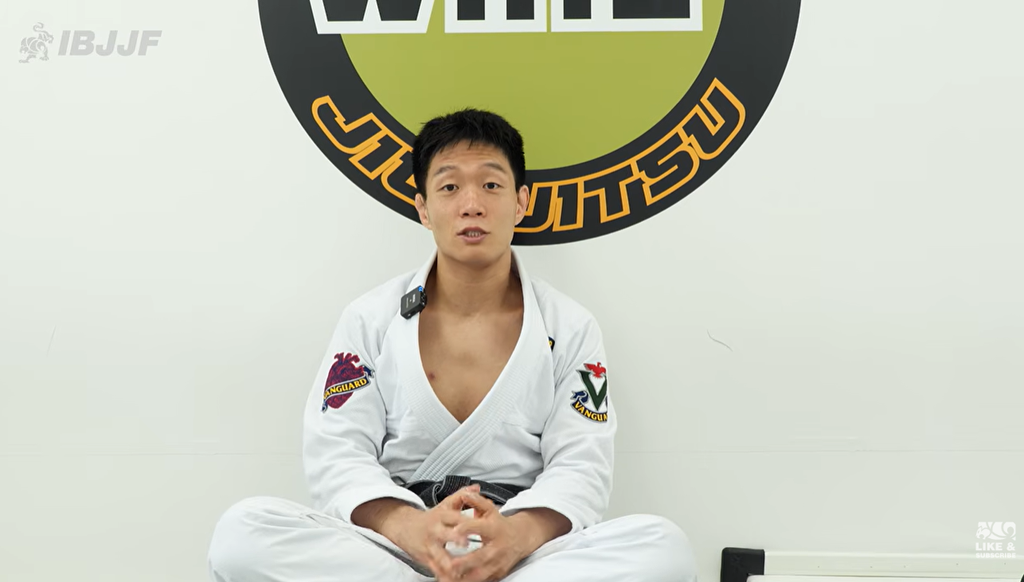
Yoon believes Korean jiu-jitsu has already moved beyond its earliest developmental period. The country now possesses experienced coaches, established teams and a growing group of young blue and purple belts with years of competition ahead of them.
The next breakthrough will be producing a world champion.
Yoon wants to be the athlete who reaches that milestone, but he also acknowledges that Korea contains many dangerous competitors who remain largely unknown outside the country.
Cho shares that confidence. He points to the number of young athletes emerging from Wire and other academies as evidence that Korean jiu-jitsu’s rise will continue.
The infrastructure is now in place. The country has hundreds of black belts, a broad academy network and competitors earning meaningful results at major international tournaments. What Korea still lacks is global recognition equal to the level developing inside its training rooms.
Wire intends to help close that gap.
Choi has given the team a 10-year horizon to reach the level of jiu-jitsu’s major international organizations. Whether Wire ultimately becomes Korea’s answer to Checkmat or Alliance remains to be seen, but its progress already reflects something significant.
South Korea is no longer waiting for its jiu-jitsu culture to arrive. It is building the teams, athletes and competitive depth necessary to take its place on the world stage.
And when that first Korean world champion finally emerges, the athletes inside Wire believe the rest of the world should not be surprised.
Follow HanPunch for the latest Korean MMA news, exclusive fighter interviews, event coverage, and the stories shaping combat sports across Asia.
About The Author





Join the Conversation