

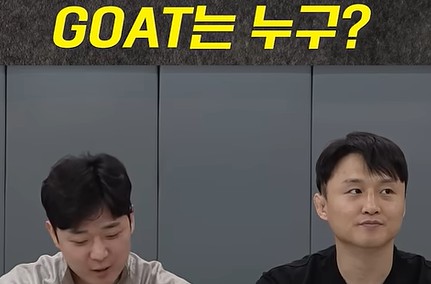
Following his impressive victory at UFC Vegas 117, Doo Ho Choi was asked to name the best fighter in Korean MMA—and his answer revealed the respect and values that have shaped his career.
When a fighter comes back the way Doo Ho Choi just did at UFC Vegas 117, sharp, confident, and carrying that unmistakable spark of someone rediscovering who they are, it’s natural for fans to start wondering about his perspective on the Korean MMA landscape. After all, Choi isn’t just a knockout artist. He’s a student of the game, a technician, and someone who has trained alongside some of Korea’s most iconic names.
So when asked who he believes is the best fighter in Korea, the curiosity wasn’t just casual. It was a genuine question about lineage, influence, and respect.
And Choi didn’t hesitate.
On his Youtube channel, Korean Superboy, he gives an answer that’s both humble and revealing.
Doo Ho Choi’s Pick: Dong Hyun Kim (“The Stun Gun”)
Doo Ho Choi’s first response is immediate: Dong Hyun Kim.
There’s no wavering, no searching for a diplomatic middle ground. Just a clean, confident acknowledgment of the man who paved the way for an entire generation of Korean fighters.
Kim wasn’t just a UFC contender, he was the first Korean fighter to truly break into the global consciousness. His judo‑based pressure, his physicality, his ability to drag opponents into deep waters… he was the blueprint before the blueprint existed.
For Choi to name him first says a lot. It’s a nod to history. A nod to the man who carried the weight before anyone else could.
But Pound‑for‑Pound? Choi’s Answer Shifts
After naming Kim, Choi adds something that feels even more personal:
Pound‑for‑pound, the best fighter in Korea is The Korean Zombie.
And honestly, it’s hard not to feel the weight of that statement.
Chan Sung Jung isn’t just a fighter, he’s a myth, a symbol, a cultural icon. He’s the reason so many Korean fighters picked up gloves in the first place. He’s the reason international fans learned how to pronounce “Jung Chan Sung.” He’s the reason the featherweight division has some of the most unforgettable fights in UFC history.
Choi’s answer reflects something deeper than rankings or resumes. It reflects impact. It reflects legacy. It reflects the emotional truth of Korean MMA.
Watching Choi speak so openly about the fighters who shaped him, especially after his own resurgence, feels like a full‑circle moment. It’s a fighter acknowledging the shoulders he stands on, even as he begins writing the next chapter of his own story.
And honestly? There’s something beautiful about that.
Korean MMA isn’t defined by one man. It’s defined by a lineage, a chain of fighters who pushed the sport forward in their own way.
Choi’s answer honors that lineage perfectly.
Full short available on Korean Superboy Youtube Channel.
About The Author




I agree 🙂